
BMI Calculator by Age: How to Check Your Healthy Weight at Any Age
Healthy Weight Range by Age Calculator
Body Mass Index, or BMI, helps estimate whether your weight matches your height. It offers a simple way to assess weight status and overall health risk. Many people use a BMI calculator to check if they fall within a healthy weight range. The result can show whether a person is underweight, at a healthy weight, overweight, or living with obesity. However, BMI does not tell the full story. Age can affect how the body stores fat, builds muscle, and responds to weight changes. This makes age an important factor when interpreting BMI results.
That is why many people search for a bmi calculator by age rather than a standard BMI tool. An age-based BMI calculator provides more useful context for different life stages. Children and teenagers need a different approach. Their bodies grow quickly, and BMI results depend on age and gender. Health professionals often compare these results with growth charts and BMI percentiles. Adults use standard BMI categories. These categories help identify weight-related health risks and support weight management decisions. Older adults may require additional consideration. Muscle mass often decreases with age, while body composition changes over time. As a result, the same BMI score may have a different meaning for a senior than for a younger adult.
A BMI calculator by age helps place your BMI score within the right age group. This creates a more accurate picture of your weight status and overall health assessment. Using the calculator is simple. Enter your height, weight, and age. Some tools also allow you to select gender for additional context. The calculator then estimates your body mass index and places it within a relevant weight category.
BMI Calculator by Age – Instant BMI Assessment
How the BMI Calculator Works
A BMI calculator estimates body mass index using basic body measurements. It provides a quick health assessment based on your height and weight. A bmi calculator by age uses additional information to improve result interpretation. This approach helps people understand how age affects weight status and body composition.
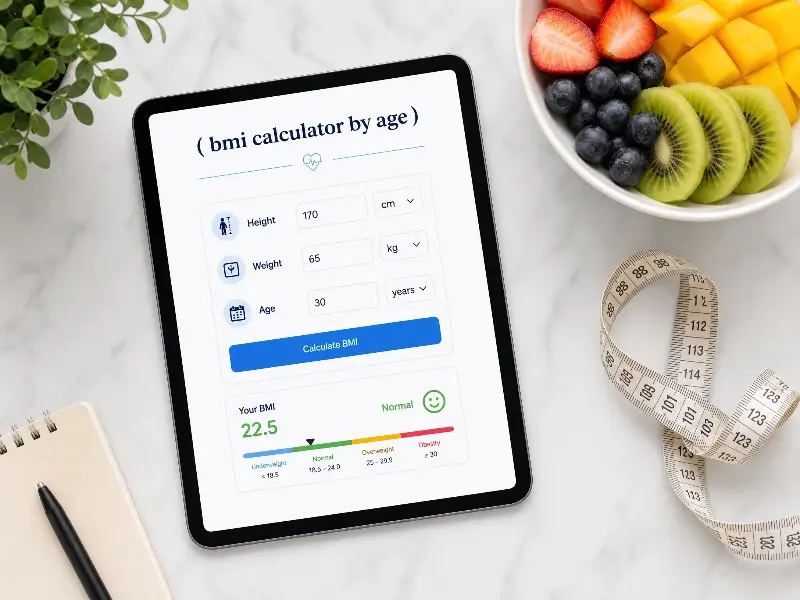
Most calculators require the following inputs:
- Height
- Weight
- Age
Many tools also include gender as an optional field. Gender can provide extra context, especially for children and teenagers. To use the calculator, enter your current measurements. The tool then calculates your BMI score and places it into a weight category. Accurate measurements lead to more reliable results. Small errors in height or weight can affect the final BMI score.
BMI Formula Explained
BMI uses a simple mathematical formula.
For metric measurements:
BMI = Weight (kg) ÷ Height² (m²)
This method uses kilograms and meters.
For imperial measurements:
BMI = [Weight (lb) ÷ Height² (in²)] × 703
This version uses pounds and inches.
The formula remains the same for most people. However, age changes how experts interpret the result. Children and teens continue to grow. Their healthy BMI range changes with age and gender. For this reason, healthcare providers often use BMI percentiles instead of standard adult categories. Adults usually follow fixed BMI classifications. Older adults may require additional evaluation because muscle mass often decreases with age. That is why a BMI calculator by age offers more useful information than a standard BMI calculator.
Understanding Your BMI Result
After calculating your score, the tool places your result into a BMI category.
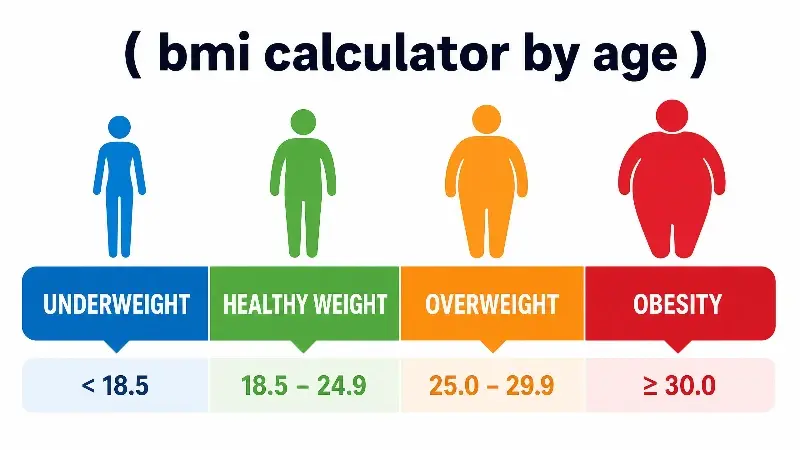
Underweight
A BMI below the healthy range may suggest insufficient body weight. Low body weight can affect energy levels and overall wellness.
Healthy Weight
A healthy BMI range often indicates a balanced relationship between height and weight. Many people aim to stay within this category.
Overweight
An overweight BMI score shows weight above the recommended range. This result may increase the likelihood of future health concerns.
Obesity
A BMI in the obesity range indicates excess body weight. Healthcare professionals often use this category during weight management assessments. BMI offers a useful starting point. However, it does not measure body fat percentage, muscle mass, or fat distribution. For a complete picture, many experts also consider waist circumference, physical activity, and other health indicators.
What Is BMI and Why Is It Important?
Definition of Body Mass Index
Body Mass Index, or BMI, is a screening tool that compares weight to height. It helps estimate whether a person’s weight falls within a healthy range. Healthcare professionals often use BMI as a starting point for health assessment. The calculation is simple, fast, and widely recognized. Many people use a bmi calculator by age to gain additional context. Age can influence how BMI results relate to overall health and body composition. BMI does not diagnose health conditions. Instead, it highlights whether further evaluation may be useful.
What BMI Measures
BMI measures the relationship between body weight and height. It converts these measurements into a single score. This score helps classify weight status into common categories. These categories include underweight, healthy weight, overweight, and obesity. BMI can help identify patterns linked to weight-related health risks. It also supports weight management and long-term wellness tracking. Many healthy weight calculators and health assessment tools use BMI as a foundation. The score offers a practical way to monitor changes over time. For adults, BMI categories remain consistent. For children and teenagers, age and gender influence interpretation.
What BMI Does Not Measure
BMI provides useful information, but it has limitations.
Muscle Mass
BMI cannot distinguish between muscle and fat. A person with high muscle mass may have a higher BMI without excess body fat. This often affects athletes and highly active individuals.
Body Composition
BMI does not measure body composition. It cannot determine how much of your weight comes from fat, muscle, bone, or water. Two people can share the same BMI score but have very different body compositions.
Fat Distribution
BMI does not show where the body stores fat. Fat around the abdomen may carry different health implications than fat in other areas. For this reason, many health professionals also consider waist circumference and other measurements.
Why Healthcare Professionals Still Use BMI
Despite its limitations, BMI remains one of the most useful screening tools available. It requires only height and weight measurements. Most people can calculate it within seconds. BMI helps identify weight categories across large populations. It also supports early awareness of potential weight-related concerns. A bmi calculator by age adds another layer of understanding. It helps place BMI results within the context of different life stages. Healthcare professionals rarely rely on BMI alone. They often combine it with body fat percentage, physical activity levels, medical history, and other health indicators. When used correctly, BMI provides a valuable starting point for understanding weight status and overall health.
Healthy BMI Ranges by Age
A healthy BMI range can vary depending on age and stage of life. This is why a bmi calculator by age provides more meaningful results than a standard BMI calculation. The body changes throughout childhood, adulthood, and older age. Understanding these differences helps you interpret your BMI score correctly.
BMI for Children (Ages 2–12)
Children grow at different rates. Their height and weight can change quickly within a short period. Because of these changes, children do not use the same BMI categories as adults. Healthcare professionals compare a child’s BMI with growth charts designed for age and gender. These charts produce BMI percentiles. A BMI percentile shows how a child compares with others of the same age and gender. For example, a child in the 60th percentile has a higher BMI than 60 percent of similar children. Growth chart interpretation helps identify healthy development patterns. It also supports early monitoring of weight-related concerns. Parents should focus on long-term growth trends rather than a single BMI result.
BMI for Teenagers (Ages 13–19)
Teenagers experience major physical changes during puberty. Growth patterns can differ significantly from one person to another. Some teens gain height rapidly. Others develop muscle mass or body fat at different rates. Because of these changes, BMI percentiles remain important throughout adolescence. Age and gender continue to influence BMI interpretation during these years. A healthy BMI for a teenager depends on where the result falls within age-specific growth charts. Regular monitoring can help track healthy growth and development over time.
BMI for Adults (Ages 20–64)
Adults use standard BMI categories.
The common BMI classifications include:
- Underweight: Below 18.5
- Healthy Weight: 18.5 to 24.9
- Overweight: 25 to 29.9
- Obesity: 30 or higher
These categories help assess weight status and identify possible health risks. Many adults use a bmi calculator by age to understand how aging may influence body composition and healthy weight goals. BMI remains a useful screening tool for most adults. However, it should not be the only measure of health.
BMI for Seniors (65+)
BMI interpretation may differ for older adults. As people age, they often lose muscle mass. Body fat distribution may also change. These shifts can affect the meaning of a BMI score. A senior with a normal BMI may have less muscle than expected. Another person may have a slightly higher BMI but maintain good overall health. Healthy aging involves more than body weight alone. Healthcare professionals often consider physical activity, muscle strength, body composition, and overall wellness alongside BMI. For seniors, BMI works best as one part of a broader health assessment rather than a standalone measurement.
BMI Chart by Age and Weight Category
A BMI chart helps translate a BMI score into a weight category. It provides a quick way to understand where a person falls within a healthy weight range. A bmi calculator by age becomes more useful when combined with age-specific BMI classifications. Different age groups require different methods of interpretation.
Standard Adult BMI Categories
Adults between ages 20 and 64 use standard BMI categories. These categories remain consistent regardless of age or gender.
The common classifications include:
| BMI Range | Weight Category |
| Below 18.5 | Underweight |
| 18.5–24.9 | Healthy Weight |
| 25.0–29.9 | Overweight |
| 30.0 and above | Obesity |
These categories help identify weight status and support health assessment decisions. A healthy BMI often suggests an appropriate balance between height and weight. However, BMI works best alongside other health measurements.
Child BMI Percentile Categories
Children require a different approach. Their bodies continue to grow and develop throughout childhood. Instead of standard BMI categories, healthcare professionals use BMI percentiles. BMI percentiles compare a child’s result with others of the same age and gender.
Common child BMI percentile categories include:
| Percentile Range | Weight Status |
| Below 5th | Underweight |
| 5th to below 85th | Healthy Weight |
| 85th to below 95th | Overweight |
| 95th and above | Obesity |
Growth charts help track long-term development. A single percentile does not provide the complete picture.
Senior BMI Reference Guidelines
Adults over 65 often require additional context when interpreting BMI. Aging can reduce muscle mass and change body composition. These changes may influence how BMI reflects overall health. Many healthcare providers review BMI alongside muscle strength, physical activity, and waist circumference. A BMI score can still provide valuable information. However, it should not serve as the only health measurement for older adults.
Quick BMI Classification Table
The table below summarizes common BMI categories across major age groups.
| Age Group | Classification Method |
| Children (2–12) | BMI Percentiles by Age and Gender |
| Teenagers (13–19) | BMI Percentiles by Age and Gender |
| Adults (20–64) | Standard BMI Categories |
| Seniors (65+) | BMI Plus Additional Health Indicators |
This chart offers a simple reference point for understanding BMI results. A bmi calculator by age helps place those results into the correct life-stage context. That approach supports a more accurate view of body weight, body composition, and overall wellness.
Does Age Affect BMI?
Age can influence how the body stores fat, builds muscle, and uses energy. That is why age plays an important role when interpreting BMI results. A bmi calculator by age helps place your BMI score within the correct life stage. This approach creates a more accurate health assessment than using BMI alone.
How Body Composition Changes Over Time
Body composition changes throughout life. Children, adults, and seniors have different physical characteristics. During childhood, growth affects both height and weight. These changes can alter BMI scores quickly. Teenagers experience major body changes during puberty. Muscle mass, body fat, and bone growth often increase during this period. Adults generally maintain more stable body composition. Lifestyle habits, nutrition, and physical activity influence long-term weight management. Older adults often experience gradual shifts in muscle and fat levels. These changes can affect how BMI reflects overall health. Because body composition changes with age, the same BMI score may not mean the same thing for everyone.
Metabolism and Aging
Metabolism refers to how the body uses energy. Metabolic rate often changes throughout life. Children and teenagers typically require more energy for growth and development. Many adults notice gradual metabolic changes with age. Daily energy needs may decrease over time. Physical activity levels also affect metabolism. Active individuals often maintain healthier body composition than inactive individuals. These factors help explain why age matters when evaluating healthy weight and BMI results.
Muscle Loss and BMI Accuracy
Muscle mass plays a major role in body weight. Many adults begin to lose muscle gradually as they age. This process can affect BMI interpretation. BMI measures weight relative to height. It does not distinguish between muscle mass and body fat percentage. Two people can share the same BMI score but have very different body compositions. One person may carry more muscle. Another may carry more body fat. This limitation affects BMI accuracy, especially in athletes and older adults. For this reason, many health professionals review additional measurements alongside BMI.
Why the Same BMI May Mean Different Things at Different Ages
A BMI score of 24 may represent different health situations across age groups. A growing teenager, a middle-aged adult, and a senior can share the same BMI score. However, their body composition may differ significantly. Children require age-specific growth chart interpretation. Adults use standard BMI categories. Seniors often benefit from broader health evaluation. Factors such as muscle mass, fat distribution, physical activity, and healthy aging influence the meaning of a BMI result. A bmi calculator by age helps account for these differences. It provides context that supports a more accurate understanding of weight status, healthy weight range, and overall wellness.
BMI by Age for Men and Women
A bmi calculator by age helps both men and women understand their weight status. However, gender can influence how the body stores fat and builds muscle. These differences can affect how BMI relates to overall health and body composition.
BMI Differences Between Men and Women
Men and women often have different body compositions. Men usually carry more muscle mass. Women generally have a higher percentage of body fat. These differences support normal biological functions and development. BMI uses height and weight to estimate body mass index. It does not measure muscle mass or body fat percentage directly. As a result, two people with the same BMI score may have different body compositions. This explains why BMI serves as a screening tool rather than a complete health assessment. Even with these differences, standard BMI categories remain the same for most adults.
Hormonal Changes and Weight Distribution
Hormones influence how the body stores and uses energy. They also affect fat distribution throughout life. Women often store more fat around the hips and thighs during early adulthood. Men tend to store more fat around the abdomen. These patterns can change over time. Age-related hormonal shifts may affect body weight, body composition, and healthy weight maintenance. Changes in physical activity, nutrition, and metabolism can also influence weight distribution. Because BMI cannot show fat distribution, additional measurements may provide useful context.
BMI Considerations During Pregnancy
Pregnancy creates temporary changes in body weight and body composition. Weight gain during pregnancy supports fetal growth and development. For this reason, standard BMI interpretation does not apply during pregnancy in the same way. Healthcare professionals often use pregnancy-specific weight guidelines instead of relying solely on BMI scores. A bmi calculator by age may still provide information before pregnancy or after recovery, but pregnancy requires separate evaluation methods.
Menopause and BMI Changes
Menopause brings significant hormonal changes. These changes can affect metabolism, body fat percentage, and weight distribution. Many women notice increased fat storage around the midsection during this stage of life. Muscle mass may also decline with age. These factors can influence BMI results and overall health assessment. A healthy BMI remains important, but it should not stand alone. Healthcare professionals often consider waist circumference, physical activity, body composition, and healthy lifestyle habits alongside BMI. Understanding these age-related changes helps men and women interpret BMI results more accurately and make informed decisions about long-term wellness.
The Limitations of BMI
Body Mass Index offers a simple way to assess weight status. However, it cannot measure every factor that affects health. A bmi calculator by age provides useful context, but no BMI tool can tell the complete story alone. BMI works best as a screening tool. Healthcare professionals often combine it with other health measurements for a fuller picture.
Athletes and High Muscle Mass
BMI cannot distinguish between muscle and fat. Athletes often carry more muscle mass than the average person. Muscle weighs more than fat within the same amount of space. As a result, some athletes receive a higher BMI score despite having a healthy body fat percentage. A BMI calculator may place them in the overweight category even when they maintain excellent physical fitness. This limitation highlights the importance of considering body composition alongside BMI. Measurements such as body fat percentage can provide additional insight.
Older Adults
Aging affects body composition in several ways. Many older adults lose muscle mass over time. At the same time, body fat levels may increase. BMI cannot identify these changes. An older adult may have a healthy BMI but lower muscle mass than expected. This can affect strength, mobility, and overall wellness. For seniors, healthcare professionals often review BMI together with physical activity, muscle strength, and waist circumference. This approach creates a more complete health assessment.
Children and Growth Variability
Children grow at different rates. Some children gain height quickly. Others gain weight during different stages of development. Because growth patterns vary, standard adult BMI categories do not work for children. Healthcare professionals use BMI percentiles instead. BMI percentiles compare children with others of the same age and gender. Growth charts provide a better understanding of healthy development than a single BMI score. A bmi calculator by age helps support age-appropriate interpretation for younger age groups.
Different Ethnic and Population Considerations
People from different backgrounds may have different body compositions. Some populations carry more body fat at lower BMI levels. Others may carry less body fat at the same BMI score. BMI does not account for these differences. It also cannot measure fat distribution or metabolic health directly. Two people with identical BMI scores may face different health risks. For this reason, healthcare professionals often consider additional factors during a health assessment. BMI remains a valuable tool. However, it works best when combined with body composition, waist measurements, lifestyle factors, and overall health indicators. Understanding these limitations helps people use BMI more accurately and responsibly.
Better Ways to Evaluate Health Alongside BMI
A bmi calculator by age provides valuable information about weight status. However, BMI represents only one part of a complete health assessment. BMI estimates the relationship between height and weight. It cannot measure body fat percentage, fitness level, or metabolic health. Several additional measurements can provide a clearer picture of overall wellness.
Waist-to-Height Ratio
Waist-to-height ratio measures the relationship between waist size and height. This measurement helps estimate how much fat surrounds the abdominal area. Many health professionals consider abdominal fat an important health indicator. To calculate the ratio, divide waist circumference by height using the same units. A lower ratio often indicates a healthier distribution of body fat. Unlike BMI, this measurement focuses on where the body stores fat.
Waist Circumference
Waist circumference measures abdominal size directly. This simple measurement can reveal information that BMI cannot provide. People with excess abdominal fat may face greater health concerns even when their BMI falls within a healthy range. A tape measure around the waist offers a quick and practical assessment tool. Healthcare professionals often use waist circumference alongside BMI and other health metrics.
Body Fat Percentage
Body fat percentage estimates how much of the body consists of fat tissue. Two people can have the same BMI but very different body fat percentages. One person may have more muscle mass. Another may carry more body fat. This difference affects body composition and overall health evaluation. Body fat percentage helps explain why BMI alone cannot tell the complete story. Many fitness and health assessments include this measurement for greater accuracy.
Physical Activity Levels
Physical activity influences body composition, cardiovascular fitness, and weight management. A healthy BMI does not automatically indicate strong physical fitness. Regular movement supports muscle maintenance, healthy weight control, and overall wellness. Activity levels provide valuable context when interpreting BMI results. Healthcare professionals often review exercise habits during a health assessment.
Blood Pressure and Metabolic Markers
Blood pressure offers insight into cardiovascular health. Metabolic markers help evaluate how the body processes energy and nutrients. These indicators often provide information that BMI cannot measure. A person with a healthy BMI may still need attention in other health areas. Likewise, someone with a higher BMI may maintain favorable health markers. For this reason, health professionals rarely rely on a single measurement. A bmi calculator by age works best when combined with waist circumference, body fat percentage, physical activity levels, blood pressure, and other health indicators. Together, these measurements create a more complete understanding of body composition, healthy weight, and long-term wellness.
Your Health Profile by Life Stage
Many BMI guides focus only on numbers. They rarely explain how BMI changes across different stages of life. A bmi calculator by age becomes more useful when viewed through a life-stage perspective. Age influences growth, body composition, metabolism, and healthy weight expectations. Understanding these differences can help you interpret your BMI score more accurately.
If You’re a Child or Teen
Children and teenagers experience rapid physical development. Height, weight, and body composition can change significantly within a few years. A healthy BMI for a child depends on age and gender. BMI percentiles and growth charts provide the best context. Steady growth often matters more than a single BMI result. Healthy development indicators include consistent growth patterns, regular physical activity, and balanced nutrition. Parents should focus on long-term trends rather than short-term fluctuations.
If You’re in Your 20s and 30s
These years often represent peak physical performance. Many adults maintain muscle mass more easily during this stage. A healthy BMI range can support long-term wellness and healthy weight management. Weight gain often occurs gradually. Small increases can become significant over time. Regular monitoring with a bmi calculator by age can help identify changes early. Maintaining healthy lifestyle habits during these years supports future health.
If You’re in Your 40s and 50s
Metabolism often changes during midlife. Many adults notice shifts in body composition even when weight remains stable. Muscle mass may decline gradually. Body fat percentage may increase. These changes can affect BMI interpretation and overall health assessment. Strength-focused physical activity and regular health monitoring become increasingly important. Waist circumference and body composition measurements can provide additional insight.
If You’re Over 60
Healthy aging involves more than maintaining a specific BMI score. Many older adults experience muscle loss as part of the aging process. A healthy BMI should be considered alongside strength, mobility, and daily function. Body composition often becomes more important than body weight alone. A balanced approach helps support independence and overall wellness.
Age-Specific Health Risks by BMI Category
Health risks can vary by age and weight category.
Underweight Risks
Low BMI may affect growth in children and teens. Older adults may experience reduced muscle reserves and lower physical strength.
Overweight Risks
Excess weight can place additional strain on the body. Long-term weight gain may increase health concerns across many age groups.
Obesity Risks
Obesity can affect mobility, body composition, and overall wellness. The impact often increases with age. A bmi calculator by age helps place these risks into the correct life-stage context. This approach creates a more meaningful health assessment than BMI alone.
How to Improve Your BMI Safely
A bmi calculator by age helps identify your current weight status. The next step involves understanding what your result means for your age group.
If Your BMI Is Too Low
A low BMI may indicate insufficient body weight for your height. Focus on nutrient-dense foods rather than highly processed options. Include protein, whole grains, healthy fats, fruits, and vegetables in daily meals. Monitor changes over time instead of focusing on one measurement. Children, teenagers, and older adults may require additional attention because growth and muscle maintenance matter.
If Your BMI Is Too High
A high BMI suggests weight above the recommended range. Small lifestyle changes often produce more sustainable results than extreme approaches. Regular movement, balanced meals, and consistent sleep habits support healthy weight management. Track progress gradually and review trends instead of daily fluctuations.
Sustainable Weight Management Habits
Long-term habits matter more than short-term changes.
Useful habits include:
- Regular physical activity
- Consistent meal patterns
- Adequate hydration
- Quality sleep
- Reduced sedentary time
These habits support healthy body composition and overall wellness.
Nutrition Fundamentals
Good nutrition supports every age group. Prioritize foods that provide vitamins, minerals, protein, and fiber. Limit foods that add excess calories without significant nutritional value. Balanced eating patterns help support healthy weight and energy levels.
Exercise Recommendations by Age Group
Children and teens benefit from active play and sports. Adults often benefit from a mix of aerobic activity and strength training. Older adults can focus on strength, balance, flexibility, and daily movement. Activity supports healthy weight, muscle mass, and long-term health.
BMI Calculator vs Other Health Measurement Tools
No single tool can measure every aspect of health. A bmi calculator by age works best when combined with other health indicators.
BMI vs Body Fat Percentage
BMI estimates weight relative to height. Body fat percentage estimates how much fat the body contains. Two people can share the same BMI but have different body fat levels.
BMI vs Waist-to-Height Ratio
BMI measures overall body size. Waist-to-height ratio focuses on abdominal fat distribution. This measurement can provide additional insight into body composition.
BMI vs Ideal Weight Calculators
Ideal weight calculators estimate a target weight range. BMI classifies weight status into categories such as healthy weight, overweight, and obesity. Both tools offer useful information, but they serve different purposes.
Which Method Is Most Useful?
Each tool provides a different perspective. BMI offers a quick screening tool. Body fat percentage provides deeper body composition information. Waist circumference and waist-to-height ratio help assess fat distribution. The most useful approach combines several measurements rather than relying on one number alone.
Frequently Asked Questions
What is a healthy BMI for my age?
A healthy BMI depends on both age and life stage. Adults generally fall within a healthy weight range between 18.5 and 24.9. Children and teenagers require age-specific BMI percentiles instead of adult categories. A bmi calculator by age helps place results into the correct age group.
Does BMI change as you get older?
The BMI formula does not change with age. However, body composition changes over time. Muscle mass, body fat percentage, and metabolism can shift throughout life. These changes affect how healthcare professionals interpret BMI results.
Is BMI accurate for children?
BMI can provide useful information for children when combined with growth charts. Children grow at different rates. Standard adult BMI categories do not apply to younger age groups. Healthcare professionals use BMI percentiles based on age and gender.
Should seniors use the same BMI scale as adults?
Standard BMI categories still apply to most seniors. However, older adults often experience changes in muscle mass and body composition. Healthcare professionals may review additional measurements alongside BMI for a more complete health assessment.
Can athletes have a high BMI and still be healthy?
Yes. Athletes often develop greater muscle mass than the average person. BMI cannot distinguish between muscle and fat. A higher BMI does not always indicate excess body fat.
Does BMI account for muscle mass?
No. BMI only uses height and weight. It cannot measure muscle mass, body fat percentage, or fat distribution. This limitation explains why BMI works best as a screening tool.
What is the best alternative to BMI?
No single measurement replaces BMI completely. Body fat percentage, waist circumference, and waist-to-height ratio often provide valuable additional information. Many healthcare professionals combine several measurements for greater accuracy.
How often should I check my BMI?
Most adults can review BMI periodically as part of routine health monitoring. People experiencing significant weight changes may choose to check more often. Tracking long-term trends usually provides more value than focusing on individual results.
Final Thoughts
Key Takeaways
A bmi calculator by age offers a practical way to assess weight status across different life stages. Age affects growth, body composition, metabolism, and healthy weight interpretation. Children, adults, and seniors require different levels of context when reviewing BMI results.
When to Consult a Healthcare Professional
Consider professional guidance if BMI results raise questions about your weight status or overall health. Additional evaluation may help clarify body composition, health risks, and personal health goals.
Using BMI as Part of a Complete Health Assessment
BMI provides a useful starting point, not a complete diagnosis. The most accurate health assessment includes BMI alongside body fat percentage, waist circumference, physical activity levels, and other health indicators. When used correctly, BMI remains one of the most practical tools for understanding healthy weight and long-term wellness.